 |
 |
|
|
||||||||||||||||||||||||||||||||||||||||||||||||||||||||||||||||||||
|
||||||||||||||||||||||||||||||||||||||||||||||||||||||||||||||||||||||
|
||||||||||||||||||||||||||||||||||||||||||||||||||||||||||||||||||||||


|


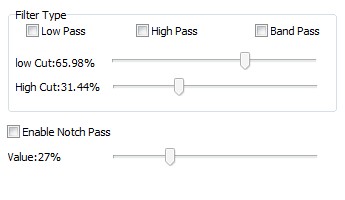
what is lowpass filter? A low-pass filter is a filter that passes low-frequency signals but attenuates (reduces the amplitude of) signals with frequencies higher than the cutoff frequency. The actual amount of attenuation for each frequency varies from filter to filter. It is sometimes called a high-cut filter, or treble cut filter when used in audio applications. for more info visit wikipedia What is highpass filter? A high-pass filter is a filter that passes high frequencies well, but attenuates (reduces the amplitude of) frequencies lower than the cutoff frequency. The actual amount of attenuation for each frequency varies from filter to filter. It is sometimes called a low-cut filter; the terms bass-cut filter or rumble filter are also used in audio applications. A high-pass filter is the opposite of a low-pass filter, and a band-pass filter is a combination of a high-pass and a low-pass. for more info visit wikipedia What is bandpass filter? A band-pass filter is a device that passes frequencies within a certain range and rejects (attenuates) frequencies outside that range. An example of an analogue electronic band-pass filter is an RLC circuit (a resistor¨Cinductor¨Ccapacitor circuit). These filters can also be created by combining a low-pass filter with a high-pass filter. for more info visit wikipedia What is Notchpass filter? A Notch filter is a filter that passes all frequencies except those in a stop band centered on a center frequency. A closely related Knowledge base item discusses the concept of the Q of a filter. This Knowledge base item focuses on high Q notch filters - the type that eliminate a single frequency or narrow band of frequencies. A closely related type of filter - a band reject filter, is discussed in a separate knowledge base item. The amplitude response of a notch filter is flat at all frequencies except for the stop band on either side of the the center frequency. The standard reference points for the roll-offs on each side of the stop band are the points where the amplitude has decreased by 3 dB, to 70.7% of its original amplitude. for more info visit wikipedia
|